Art Tips for Beginners
- How to Remove Washable Marker From Fabric Couch? – 4 Ways
- How to Get Window Marker Off Car Paint? – 5 Methods

- How Many Prismacolor Markers Are There? Not Everybody Knows!
- What is Subject Matter in Art? – Insights and Examples

- What Are EXPO Markers Made of? – Inside Your Favorite Marker
- The Best Airbrushes for Art Models And Various Projects
About Us
Art has always been a part of our life; it influences our upbringing and later career choice. The remarkable thing we notice in this digital age, that everybody can spread their stories in the form of art, and they can reach and touch many people’s lives with the help of social media. Therefore, we founded Artltdmag for the purpose of sharing our experiences and passions with people who want to create. We also want to help parents who plan to teach their children and desire the best tools and tips for them.

We have an engaging and rich community on various social media platforms waiting for you! Join us!
Newest Article from the Blog
- How to Engrave a Pen? – 3 Methods
- Best Pens for Rocketbook for Maximum Performance
- How to Draw a Fountain Pen? A Step-by-Step Guide
- Are Micron Pens Permanent? Exploring Durability
- How to Remove Pen Ink From Vinyl Seats? – 2 Solutions
- Why Are Fountain Pens Not Allowed in Airplanes? – 2 Reasons

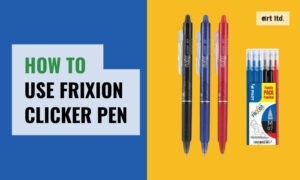
- How to Use Frixion Clicker Pen?
- How Much Are Cross Pens Worth?

- How to Remove Ink From Faux Leather? – 4 Ways
- How Long Do Micron Pens Last in Average?
- Why is My Fountain Pen Not Working? & How to Fix It?
- How to Use a Ruling Pen for Beginners?
- How to Refill Posca Markers? – 2 Easy Ways
- How to Revive Micron Pens Using Heat, Water and Alcohol

- Why Use a Fountain Pen? – Top 7 Reasons
FAQs